
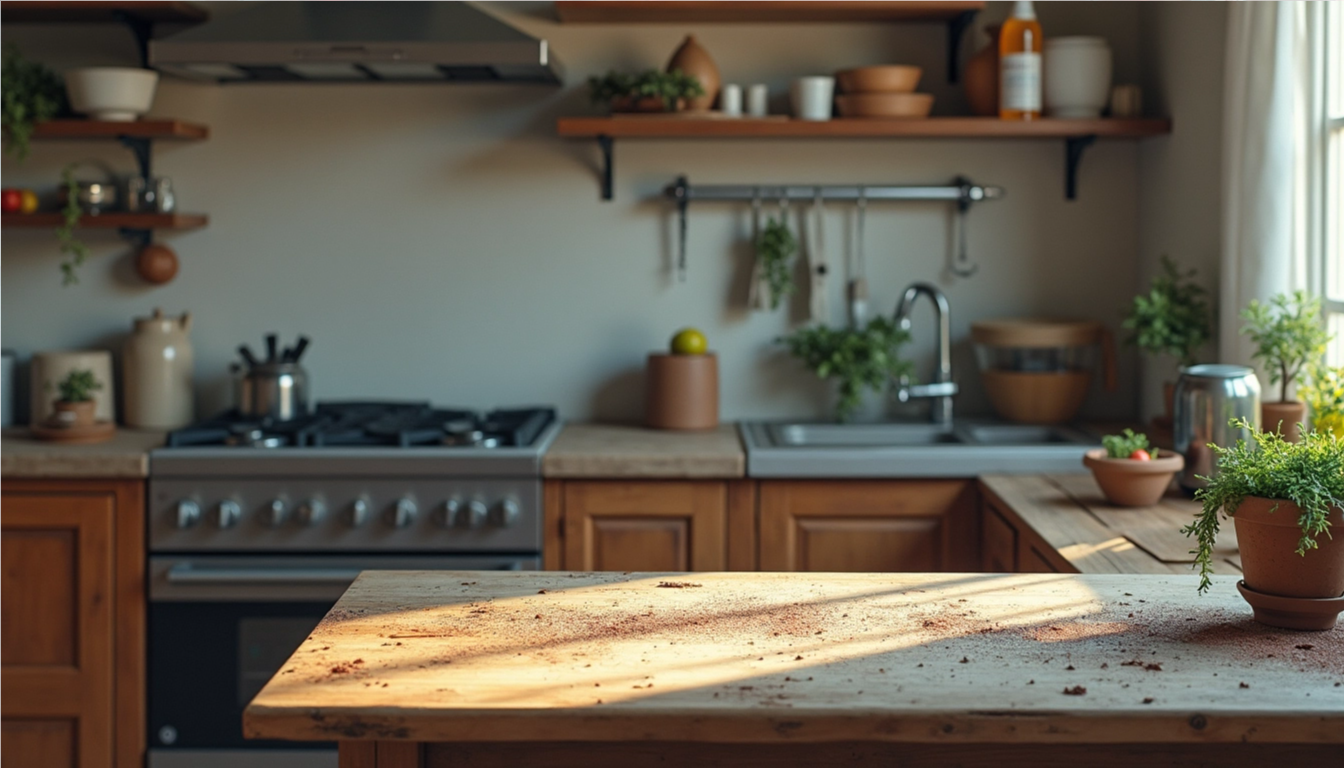
When we think about germs in the home, it is easy to picture obvious culprits such as the toilet or the kitchen bin. In reality, some of the most contaminated surfaces are the ones we touch every day without a second thought. From kitchen counters to door handles, household surfaces can harbour a surprising variety of microorganisms, many of which are invisible to the naked eye. Understanding what is actually living on these surfaces can help households make informed decisions about cleaning and hygiene.
Microbes are everywhere. Bacteria, viruses and fungi exist naturally in our environment and on our skin. Most are harmless, and some are even beneficial. However, certain species can pose a risk if transferred to food, wounds or vulnerable individuals. Public health authorities such as the UK Health Security Agency regularly highlight the importance of targeted hygiene practices to reduce the spread of harmful pathogens in domestic settings.
Kitchen Surfaces: A Hotspot For Bacteria
The kitchen is often the most microbially active room in the home. Worktops, chopping boards and sink areas are frequently exposed to raw meat, unwashed vegetables and damp conditions — all of which create opportunities for bacterial growth. Organisms such as Escherichia coli and Salmonella can be transferred from raw poultry or meat onto counters and utensils if proper food hygiene practices are not followed.
Moisture plays a significant role in microbial survival. Kitchen sinks, in particular, can harbour high levels of bacteria due to food residues and standing water. Sponges and dishcloths are another major concern. When left damp, they can become breeding grounds for microbes, spreading contamination rather than removing it. Regular replacement or proper disinfection of cleaning cloths is therefore essential.
Cross-contamination is one of the primary risks in kitchen environments. Using the same surface or utensil for raw and ready-to-eat foods without thorough cleaning can transfer pathogens directly to meals. Simple practices such as using separate chopping boards and cleaning surfaces promptly with appropriate products can significantly reduce this risk.
Bathroom Surfaces: Beyond The Obvious
While toilets are commonly perceived as the dirtiest part of the home, other bathroom surfaces may carry comparable or even greater microbial loads. Taps, flush handles and light switches are frequently touched but not always cleaned as often as they should be.
Microorganisms such as Staphylococcus aureus, which can live harmlessly on the skin but cause infection if introduced into cuts or abrasions, may be found on high-touch bathroom surfaces. Damp environments also encourage the growth of moulds and fungi, particularly around showers, sealants and tiles.
Good ventilation, routine cleaning and attention to high-touch points can help limit microbial build-up in bathrooms. It is important to remember that contamination is not always visible; a surface can appear clean while still harbouring potentially harmful organisms.
Door Handles, Light Switches And Remote Controls
High-touch surfaces throughout the home are often overlooked during routine cleaning. Door handles, light switches, television remotes and mobile phones are handled repeatedly throughout the day, sometimes after contact with raw food, pets or outdoor environments.
Because these objects are touched so frequently, they can act as transfer points for microbes. If one household member is unwell, viruses can be deposited onto surfaces and picked up by others. This is one reason why targeted hygiene — cleaning specific high-risk surfaces at key times — is emphasised by health authorities.
Unlike kitchen counters, these items may not appear dirty, which can lead to complacency. However, their frequent handling makes them particularly important in preventing the spread of illness within households.
Soft Furnishings And Fabrics
Although hard surfaces are often the focus of cleaning routines, soft furnishings such as sofas, bedding and towels can also host microbes. Towels, especially when shared or left damp, may harbour bacteria transferred from the skin. Bedding accumulates sweat and skin cells, which can support microbial life over time.
Regular laundering at appropriate temperatures helps reduce microbial presence on fabrics. Allowing items to dry fully between uses also limits conditions that favour bacterial and fungal growth.
Not All Microbes Are Harmful
It is important to recognise that the presence of microbes does not automatically mean danger. Many bacteria are part of the natural background of everyday life and pose little to no threat to healthy individuals. In fact, constant exposure to low levels of environmental microbes can contribute to immune system development.
The goal of domestic hygiene is therefore not complete sterilisation, which is neither practical nor desirable. Instead, the focus should be on reducing the presence and spread of harmful pathogens, particularly in areas associated with food preparation and high levels of contact.
Practical Steps To Reduce Surface Contamination
Effective surface hygiene relies on consistency and awareness rather than excessive cleaning. Washing hands regularly, especially before preparing food and after using the toilet, remains one of the most effective ways to interrupt the chain of infection. Cleaning high-touch surfaces routinely and disinfecting them when someone in the household is unwell further reduces risk.
In kitchens, separating raw and ready-to-eat foods and promptly cleaning worktops and utensils are critical measures. In bathrooms, maintaining dryness and paying attention to frequently touched fittings can make a significant difference.
Understanding The Hidden World Around You
The hidden world of microbes on household surfaces is complex and constantly changing. Kitchen counters, door handles and bathroom fixtures can all harbour microorganisms, some harmless and some potentially harmful. By understanding where contamination is most likely to occur and adopting targeted hygiene practices, households can significantly reduce the risk of illness.
Ultimately, awareness is the first step. Surfaces may look spotless, but what is living on them tells a more detailed story. With informed cleaning habits and sensible precautions, it is possible to manage that invisible world effectively and keep your home both safe and healthy.