Maintaining a clean home goes beyond visible dirt. Everyday surfaces, from kitchen counters to door handles, can harbour bacteria, viruses, and other microbes, often unnoticed. These high-touch areas can contribute to the spread of illness if not cleaned and disinfected regularly.
Understanding which surfaces are the most contaminated helps homeowners prioritise cleaning efforts and reduce health risks for their families.
Kitchen Counters And Cutting Boards
The kitchen is a hub of activity and, consequently, one of the dirtiest areas in the home. Counters and cutting boards frequently come into contact with raw meat, vegetables, and other food items, making them ideal breeding grounds for bacteria such as Salmonella and E. coli.
Cutting boards, particularly those made of wood or plastic, can develop grooves from knife use, trapping food particles and moisture. If not cleaned thoroughly after each use, these grooves can host harmful bacteria that may contaminate other food items. Using separate boards for raw meat and vegetables, washing boards with hot, soapy water, and periodically sanitising them with a dilute bleach solution are effective strategies to minimise risk.
Faucet Handles And Sink Areas
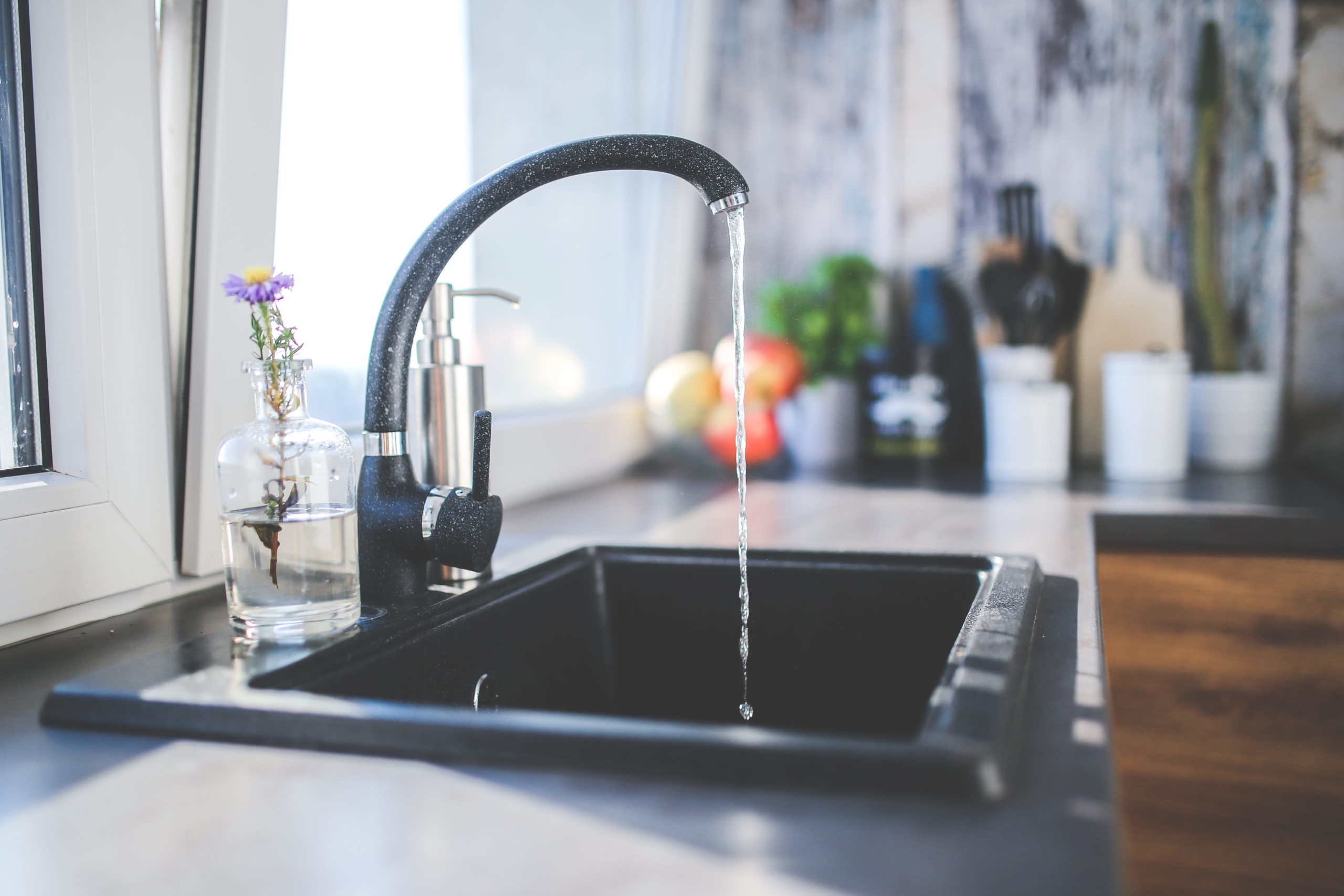
Faucet handles are another common hotspot for bacteria. Every time someone washes their hands, touches the tap, or rinses dishes, microbes can transfer from hands to handles and back again. Studies have shown that kitchen and bathroom taps often carry high levels of bacteria, including Staphylococcus aureus.
Regularly disinfecting faucet handles, sink basins, and surrounding areas reduces microbial load. Using a disposable or dedicated cloth for cleaning these areas can prevent cross-contamination with other surfaces. Additionally, encouraging family members to wash hands properly before and after handling food can further limit bacterial spread.
Door Handles And Light Switches
Door handles and light switches are touched repeatedly throughout the day, often without thought. These surfaces can accumulate bacteria and viruses from hands, pets, and other household items. Research indicates that pathogens such as influenza and norovirus can survive on these surfaces for several hours to days, making them potential vectors for infection.
To reduce contamination, door handles and light switches should be cleaned regularly with disinfectant wipes or solutions. High-touch areas in shared spaces, such as entrances and bathrooms, require particular attention. Hand hygiene also plays a critical role; frequent handwashing diminishes the risk of transferring pathogens from handles to other parts of the home.
Mobile Phones And Remote Controls
Electronic devices, including smartphones, tablets, and television remote controls, are some of the most overlooked yet contaminated surfaces in the home. Phones travel everywhere with us, from work to public transport, and are rarely cleaned. Studies have found that the average mobile device harbours more bacteria than a toilet seat.
Cleaning devices with alcohol-based wipes or specialised electronic cleaning solutions reduces microbial presence. Limiting phone use during food preparation or in the bathroom can also help prevent the spread of bacteria. For remote controls, removing batteries periodically and cleaning the exterior and buttons with disinfectant wipes is recommended.
Refrigerator Handles And Appliance Buttons
Refrigerator handles, microwave buttons, and other appliance controls are high-touch surfaces that often go unnoticed during routine cleaning. Multiple family members touch these surfaces throughout the day, sometimes after handling raw food or other contaminated items.
Disinfecting handles and buttons daily or several times a week helps reduce bacterial buildup. Using gloves when handling raw meat or cleaning appliances can also limit cross-contamination. Consider cleaning appliance surfaces systematically rather than sporadically to maintain consistent hygiene.
Bathroom Surfaces: Toilet Seats, Flush Handles, And Tap Handles
Bathrooms are inherently prone to microbial contamination. Toilet seats, flush handles, and tap handles are frequently touched by multiple users and can host bacteria such as E. coli and coliforms.
Regular cleaning with an appropriate disinfectant is essential. Focus on high-touch areas and consider using separate cleaning tools for the bathroom to avoid spreading bacteria to other areas of the home. Encouraging proper handwashing after using the toilet and maintaining good ventilation helps further minimise risks.
Strategies To Reduce Contamination On High-Touch Surfaces
Establish A Cleaning Schedule: High-touch surfaces should be cleaned daily or at least several times a week, depending on usage.
Use Appropriate Cleaning Agents: Disinfectants, alcohol-based wipes, and bleach solutions effectively reduce microbial load.
Educate Household Members: Encourage proper hand hygiene and mindful contact with shared surfaces.
Separate Tools For Food Prep: Use different cutting boards, utensils, and cloths for raw and cooked foods.
Regularly Clean Electronic Devices: Mobile phones, tablets, and remotes require gentle yet effective cleaning to prevent microbial accumulation.
Prioritising Hygiene In The Home
High-touch surfaces in the home, from kitchen counters to phones and door handles, can carry significant microbial loads. Understanding which surfaces are most contaminated allows homeowners to focus cleaning efforts where they matter most. Consistent maintenance,
combined with proper hand hygiene, reduces the risk of illness and contributes to a healthier home environment.
By incorporating systematic cleaning practices and raising awareness among household members, it is possible to manage contamination effectively, ensuring both safety and peace of mind. In an environment where germs are constantly moving from surface to surface, targeted attention to high-touch areas is the most practical and effective way to protect your household.